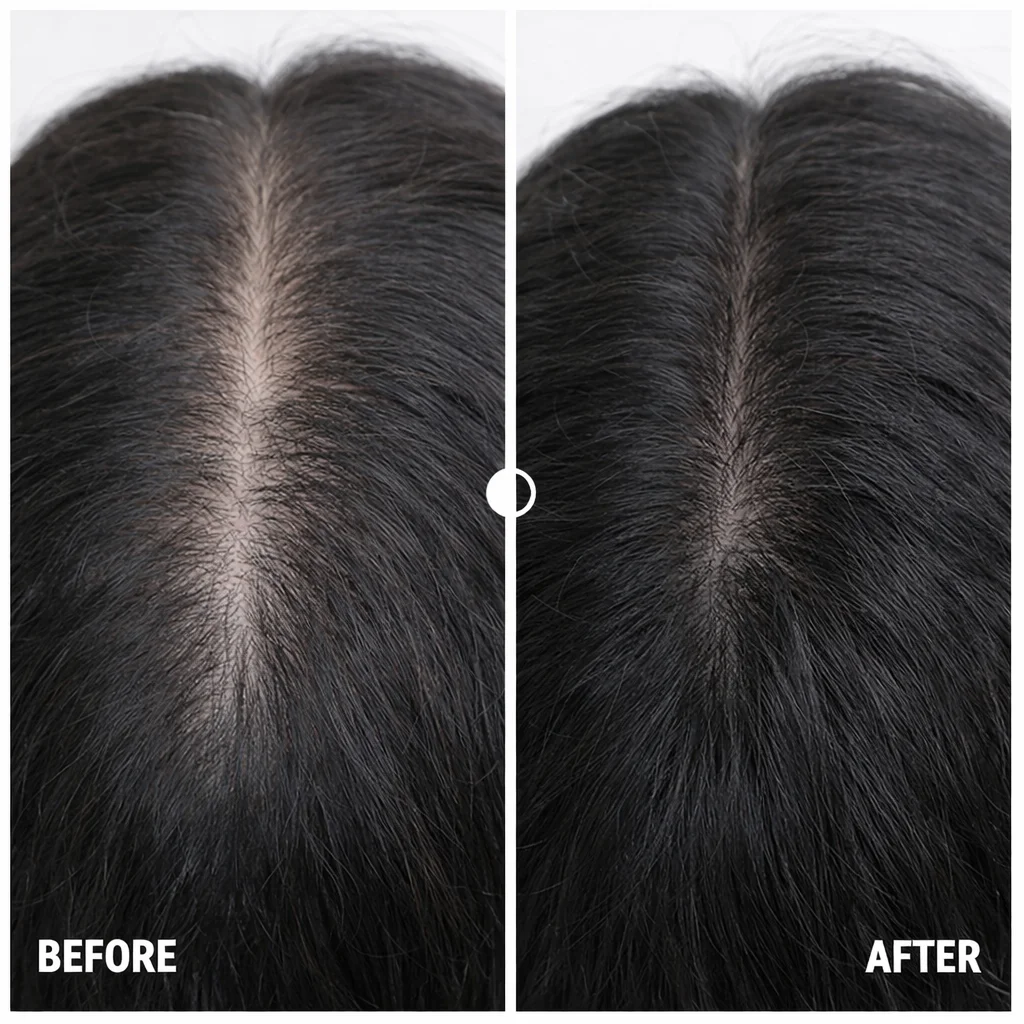
Many people with thinning hair assume they need a transplant. Others assume they are not "bald enough" yet. Both can be wrong. The right first step depends on five things, and your Norwood stage is only one of them.
What Each Treatment Actually Does
| Treatment | What it does | Typical course |
|---|---|---|
| Hair transplant (FUE) | Moves permanent hair from the back of the scalp to areas where follicles have gone | 1 sitting (2 for large areas) |
| GFC therapy | Concentrated growth factors from your own blood strengthen thinning follicles | 4–6 sessions, 4 weeks apart, then maintenance |
| Hair exosomes | Regenerative therapy that supports stronger, denser regrowth | 4 sessions, alongside GFC |
| PRP + biotin | Platelet-rich plasma that calms shedding and supports early thinning | 4 sessions, 4 weeks apart |
| Medical therapy | Prescription treatment that slows pattern loss and protects the hair you have | Daily, long term |
The key difference: GFC, exosomes and medicine work on hair that is still there. A transplant replaces hair that has gone.
The 5 Checks Before a Transplant
At Ixora, Dr. Suhail Rather recommends a transplant as the main solution only when all five line up. The online hair assessment uses the same checks.
1. Your stage
At Norwood 1–2, follicles are thinning but mostly still there, which is when non-surgical treatment works best. From Norwood 3, especially with deep temples or a thin crown, a transplant usually becomes the way to restore lost areas.
2. Is your hair loss stable?
If your hair has been falling faster recently, or you only noticed it in the last 6 months, it may still be changing. A transplant placed now could look unbalanced in a few years as loss continues around it. Stabilise first, then plan the transplant once things have been steady for about a year.
3. Your age
Under about 25, pattern hair loss often keeps progressing, and it is hard to predict where it will stop. Most young patients do better starting with GFC and medical therapy, then planning a transplant later.
4. Your donor hair
Thick hair at the back and sides means a good supply. If your donor area is thin, it limits what a transplant can do, so the plan protects and strengthens first and the doctor measures your donor density.
5. Your health
Blood thinners, pregnancy, and uncontrolled diabetes or blood pressure all need to be addressed before surgery. Smokers are asked to stop for 2 weeks before and after, because smoking reduces blood flow to the scalp and the grafts need it to survive.
Three Common Plans
Hair Protection Plan (early stage). GFC (or PRP if the main problem is shedding) and medical therapy, with any triggers like thyroid, iron or stress checked.
Stabilise, Then Restore. For people who will probably need a transplant but are not ready yet, because of age, unstable loss or a thin donor area. GFC, exosomes and medical therapy now, with a transplant planned later.
Hair Restoration Plan. For stable loss at Norwood 3 and above with good donor hair. The transplant is the main solution, with GFC before and after it and medical therapy long term to protect the hair you keep.
Why GFC Still Matters After a Transplant
A transplant does not stop pattern hair loss. The transplanted hair is permanent, but the hair around it can keep thinning. That is why every Ixora transplant package includes 2 GFC sessions, and why medical therapy is usually continued.
Timelines
| First change | Visible result | |
|---|---|---|
| GFC / exosomes | Less shedding at 3–4 months | Visible density at about 6 months |
| Hair transplant | New hair at 3–4 months | Final result at 9–12 months |
If you have a wedding or event coming, plan a transplant 9–12 months ahead. GFC and exosomes show improvement sooner.
Find Your Plan
The free hair loss assessment asks about your stage, how your hair loss has behaved, your donor hair and your health, then recommends one of these plans, with a graft estimate if a transplant fits. Compare GFC and PRP in more detail in GFC vs PRP for hair loss.